
Most Melbourne homeowners and renters assume their weekly clean is enough to keep a property hygienic and inspection-ready. It rarely is. Routine cleaning removes visible mess, but hidden allergens, bacteria, and grime accumulate in carpets, grout, and behind appliances over time. For tenants facing end-of-lease inspections, or families managing allergies and asthma, this gap between “looks clean” and “is clean” can be costly. Understanding what deep cleaning actually delivers, backed by real research, helps you make smarter decisions about your home and your bond.
Table of Contents
- Why deep cleaning goes beyond regular cleaning
- Health and allergen advantages backed by research
- Reliability for end-of-lease and property inspections
- Who benefits most from deep cleaning?
- Our take: What most people miss about hiring for deep cleaning
- Book Melbourne’s trusted deep cleaning services for guaranteed results
- Frequently asked questions
Key Takeaways
| Point | Details |
|---|---|
| Deeper hygiene outcomes | Deep cleaning removes hidden allergens, bacteria, and mould missed by regular routines. |
| Stronger end-of-lease results | Targeted deep cleaning methods support a successful inspection and bond return. |
| Scientifically proven impact | Studies show deep cleaning reduces surface allergens and bacteria by over 90%. |
| Ideal for sensitive situations | Homes with allergies, pets, or following illness see extra benefits from deep cleaning. |
| Professional consistency | Experts follow strict checklists to avoid common missed spots and inspection failures. |
Why deep cleaning goes beyond regular cleaning
There is a meaningful difference between wiping down surfaces and genuinely cleaning a home from top to bottom. Routine cleaning keeps a space presentable. It removes crumbs, wipes benchtops, and vacuums visible debris. But it consistently misses the places where contaminants actually build up: inside carpet fibres, behind toilet bases, along skirting boards, inside exhaust fans, and underneath heavy appliances.
Deep cleaning targets these overlooked zones using specialised techniques. Hot water extraction for carpets, steam cleaning for grout and tiles, and detailed scrubbing of fixtures are all standard parts of a proper deep clean. These methods physically dislodge and remove contaminants rather than simply moving them around. Research confirms that allergen levels in carpets and soft furnishings drop dramatically when these techniques are applied, compared to standard vacuuming or mopping.
The CDC distinguishes cleaning, sanitising, and disinfecting as three separate processes, noting that dirt must be removed first before sanitising or disinfecting can be effective. This is a critical point. You cannot simply spray a disinfectant on a dirty surface and expect it to work properly. Deep cleaning handles both steps in sequence, which is why it achieves hygiene outcomes that routine cleaning simply cannot match.
Melbourne homes face particular challenges here. The city’s variable climate, high urban density, and older housing stock create conditions where dust mites, mould spores, and pet allergens accumulate faster than in drier or newer environments. Understanding the difference between deep clean vs regular cleaning is the first step toward making the right call for your property.
| Feature | Routine cleaning | Deep cleaning |
|---|---|---|
| Visible surfaces | Yes | Yes |
| Behind appliances | Rarely | Yes |
| Carpet fibres | Vacuum only | Hot water extraction |
| Grout and tiles | Surface wipe | Steam/scrub treatment |
| Exhaust fans and vents | Rarely | Yes |
| Allergen and bacteria reduction | Minimal | Significant |
| Inspection readiness | Partial | Thorough |
Key areas that routine cleaning typically misses include:
- Inside and behind the oven and refrigerator
- Shower grout and silicone seals
- Ceiling fans and light fittings
- Window tracks and door frames
- Skirting boards and cornices
- Inside cupboards and wardrobes
Health and allergen advantages backed by research
Once you understand the extra steps involved, it is crucial to see how these efforts translate to real health and hygiene improvements, especially for sensitive homes. The evidence here is striking and goes well beyond anecdote.
A peer-reviewed study on domestic allergen reduction found that homes treated with hot water extraction cleaning showed a 91% reduction in surface allergens, a 67% drop in airborne pet allergens, and a 90% decrease in bacteria. These are not marginal improvements. For a household with a child who has asthma, or an adult managing hay fever, these numbers represent a genuine quality-of-life change.
| Allergen or contaminant | Reduction after deep cleaning |
|---|---|
| Surface allergens | 91% |
| Airborne pet allergens | 67% |
| Bacteria on soft furnishings | 90% |
“Deep cleaning is not simply about appearances. For allergy and asthma sufferers, it can meaningfully reduce the triggers that cause daily discomfort and long-term health impacts.”
Dust mites thrive in carpet fibres, mattresses, and upholstered furniture. Standard vacuuming removes some surface debris but leaves the majority of mite populations and their waste products intact. Hot water extraction disrupts these colonies at a deeper level, removing both the allergens and the environment that supports them.
Mould is another serious concern in Melbourne homes, particularly in bathrooms, laundries, and poorly ventilated rooms. Routine cleaning may wipe away visible mould growth, but the spores embedded in grout or silicone remain and continue to spread. Deep cleaning uses targeted products and techniques to address mould at its source, not just its surface.
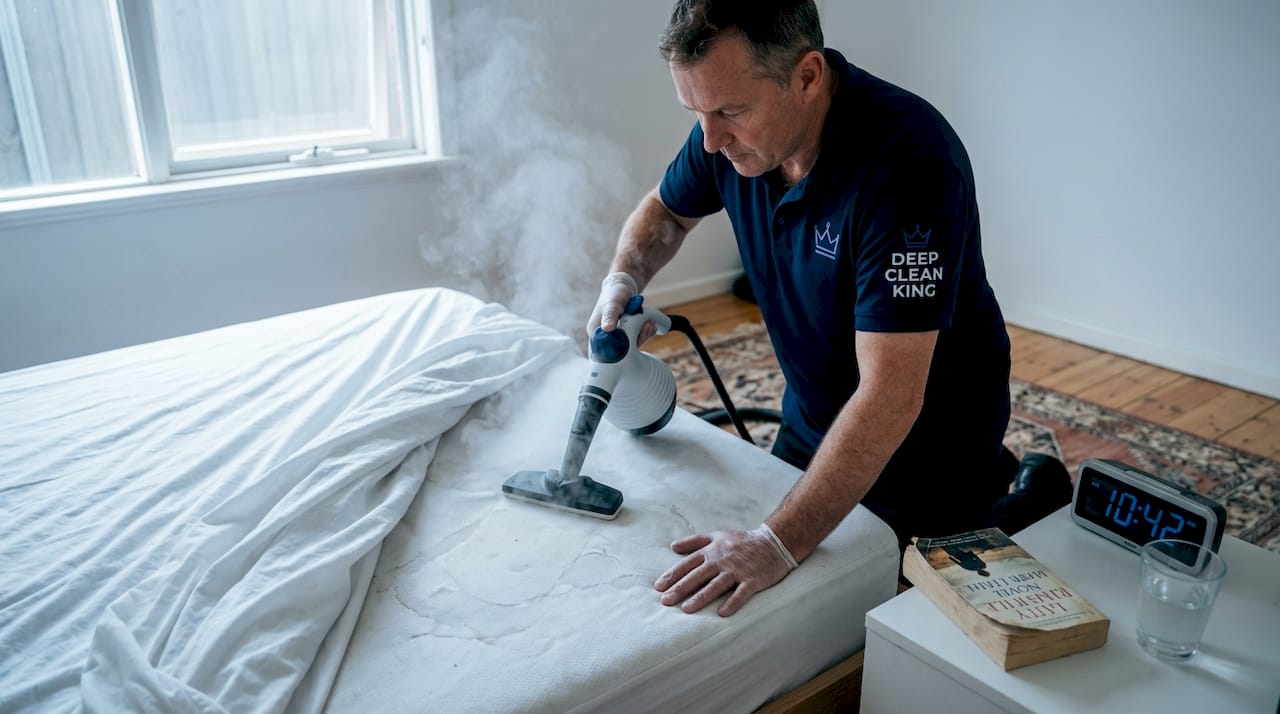
For families considering deep cleaning frequency in Melbourne, the research suggests that every three to six months is a sensible baseline for most households, with more frequent sessions for homes with pets, young children, or allergy sufferers. Combining this with attention to indoor air quality insights through duct cleaning gives the most complete result.
Pro Tip: If anyone in your household suffers from asthma or seasonal allergies, schedule a deep clean at the start of spring when pollen and dust mite activity peaks in Melbourne. Timing your clean strategically can reduce symptom severity throughout the season.
Reliability for end-of-lease and property inspections
While health is front-of-mind, deep cleaning’s thoroughness also addresses another huge concern for Melbourne renters: making sure nothing is missed before inspection day. End-of-lease inspections are notoriously detailed, and property managers are trained to check exactly the spots that tenants overlook.
Research on disinfection compliance reveals that up to 50% of high-touch surfaces are missed during routine cleaning, leaving behind bacteria and visible grime that will be noticed during inspection. This is not about laziness. It is about the reality that without a structured checklist and professional training, it is genuinely difficult to achieve consistent coverage across an entire property.
A professional deep clean follows a systematic, room-by-room approach. Here is how a thorough end-of-lease process typically unfolds:
- Initial inspection and assessment to identify high-risk areas and staining that needs targeted treatment.
- Ceiling to floor sequencing so that dust and debris fall downward and are captured at each stage rather than recontaminating cleaned surfaces.
- Kitchen deep clean including oven internals, rangehood filters, behind appliances, and inside cupboards.
- Bathroom and laundry treatment covering grout, silicone, exhaust fans, and all fixtures.
- Carpet hot water extraction or hard floor scrubbing depending on the surface type.
- Window and door frame detailing including tracks, seals, and fly screens.
- Final walkthrough and quality check against the property’s original condition report.
Using a detailed end of lease checklist ensures that nothing is left to chance. Agents and landlords in Melbourne are experienced at spotting the difference between a rushed clean and a methodical one. The evidence of professional work is visible in the details: clean grout lines, streak-free glass, and spotless oven interiors.
Pro Tip: Request a copy of the original condition report before your clean begins. Cross-referencing this document against your cleaning checklist is the most reliable way to avoid disputes over pre-existing damage versus cleaning failures.
Bond disputes are stressful and expensive. A professional deep clean is one of the most cost-effective ways to protect your rental bond and avoid the time and frustration of a tribunal hearing.
Who benefits most from deep cleaning?
After outlining deep cleaning’s inspection and health advantages, it is worth clarifying who should definitely consider investing, and when. The honest answer is that most Melbourne households benefit from at least one deep clean per year, but some situations make it genuinely essential rather than optional.
Households that gain the most from professional deep cleaning Melbourne services include:
- Allergy and asthma sufferers who need measurable reductions in dust mites, pet dander, and mould spores to manage symptoms effectively.
- Families with young children who spend time on floors and are more vulnerable to bacteria and chemical residues left by inadequate cleaning.
- Pet owners whose carpets and soft furnishings accumulate pet hair, dander, and odour that routine vacuuming cannot fully address.
- Tenants preparing for end-of-lease inspections who need documented, thorough cleaning to protect their bond and meet property manager expectations.
- Homeowners after renovation or construction where fine dust particles penetrate every surface and require systematic removal.
- Seasonal resetters who want to start summer or winter with a genuinely fresh home environment.
- Shared properties and rentals where multiple occupants increase the rate of grime accumulation and hygiene risk.
The CDC recommends a clean-first approach before sanitising or disinfecting, and notes that deep cleaning is especially warranted in high-risk or post-illness settings. If someone in your household has recently recovered from a respiratory illness, a deep clean is one of the most effective ways to reduce the risk of reinfection or spread to other family members.
For homeowners with hardwood floors, it is also worth noting that deep cleaning for hardwood floors requires specific techniques to avoid moisture damage while still removing embedded grime. This is another area where professional knowledge makes a genuine difference compared to DIY attempts.
Our take: What most people miss about hiring for deep cleaning
Here is the part that most cleaning articles gloss over. The biggest reason DIY deep cleans fail is not lack of effort. It is checklist fatigue combined with a lack of professional sequencing. When you are cleaning your own home, you start with energy and focus, but by the time you reach the bathroom grout or the inside of the oven, your attention and physical stamina have already dropped significantly. The result is inconsistent coverage, and inconsistent coverage is exactly what property managers are trained to find.
We see this pattern regularly in Melbourne. Tenants spend an entire weekend cleaning, genuinely believing they have covered everything, and then receive a failed inspection report citing the rangehood filter, the window tracks, or the silicone around the shower. These are not obscure requirements. They are on every standard inspection checklist. But they are also the areas that get skipped when fatigue sets in.
Professional cleaners follow evidence-based protocols that do not depend on motivation or energy levels. Every surface is addressed in sequence, every time. Research confirms that disinfection protocols miss up to 50% of high-touch areas even in professional facility settings, which is why structured checklists and trained oversight are non-negotiable for reliable results.
The other thing people underestimate is the equipment difference. Hot water extraction machines, commercial-grade steam cleaners, and professional grout brushes achieve results that household tools simply cannot replicate. Renting equipment is an option, but without training in technique and sequencing, the results are rarely comparable to professional work.
If you are weighing up the cost, consider what is actually at stake. For tenants, a failed inspection can mean losing hundreds or thousands of dollars from your bond. For homeowners, a poorly cleaned property can mean ongoing allergen exposure and health costs. The reasons to choose professional cleaners go well beyond convenience. They are about achieving outcomes that DIY approaches consistently fall short of, particularly in Melbourne’s competitive and detail-oriented rental market.
Book Melbourne’s trusted deep cleaning services for guaranteed results
The research is clear: deep cleaning delivers hygiene outcomes and inspection results that routine cleaning cannot match. Whether you are protecting your family’s health or preparing for an end-of-lease inspection, the difference between a surface clean and a genuine deep clean is significant.
Deep Clean King provides professional Melbourne cleaning services built around evidence-based protocols and systematic coverage. Our team understands exactly what Melbourne property managers look for, and we follow structured checklists that ensure nothing is overlooked. If you are approaching an inspection or simply ready for a genuinely fresh home, our end of lease cleaning service is designed to give you the best possible outcome. Request a quote today and take the guesswork out of your next clean.
Frequently asked questions
How often should I schedule a deep clean for my Melbourne home?
Most homes benefit from a deep clean every three to six months, but you should increase this frequency if you have allergies, pets, or are preparing for an end-of-lease inspection.
Does deep cleaning really help with allergies?
Yes. Studies show that hot water extraction reduces surface allergens by over 90% and airborne allergens by up to 67%, making it one of the most effective interventions for allergy sufferers.
Will professional deep cleaning guarantee my bond back for end-of-lease?
No service can guarantee every inspection outcome, but professional deep cleaning significantly reduces the risk of failure by ensuring high-touch surfaces and commonly missed areas are thoroughly addressed.
What is the difference between cleaning, disinfecting, and deep cleaning?
Cleaning removes visible dirt, disinfecting targets germs on surfaces, and deep cleaning combines both processes for thorough coverage, particularly in hard-to-reach areas. The CDC outlines these distinctions and recommends cleaning before disinfecting for effective hygiene outcomes.
Does deep cleaning affect air quality inside the home?
Yes. Deep cleaning of carpets, soft furnishings, and ductwork reduces airborne allergens and dust measurably, leading to improved indoor air quality that benefits the whole household.
Recommended
- Deep Cleaning Melbourne | Professional Home & Commercial | Deep Clean King
- Deep Clean King: Commercial Cleaning Services in Melbourne
- Deep Clean King: Strata Cleaning Services Melbourne 2025
- Deep Clean vs Regular Cleaning — What’s the Difference? | Deep Clean King