
Mould or Mildew? Know the Difference





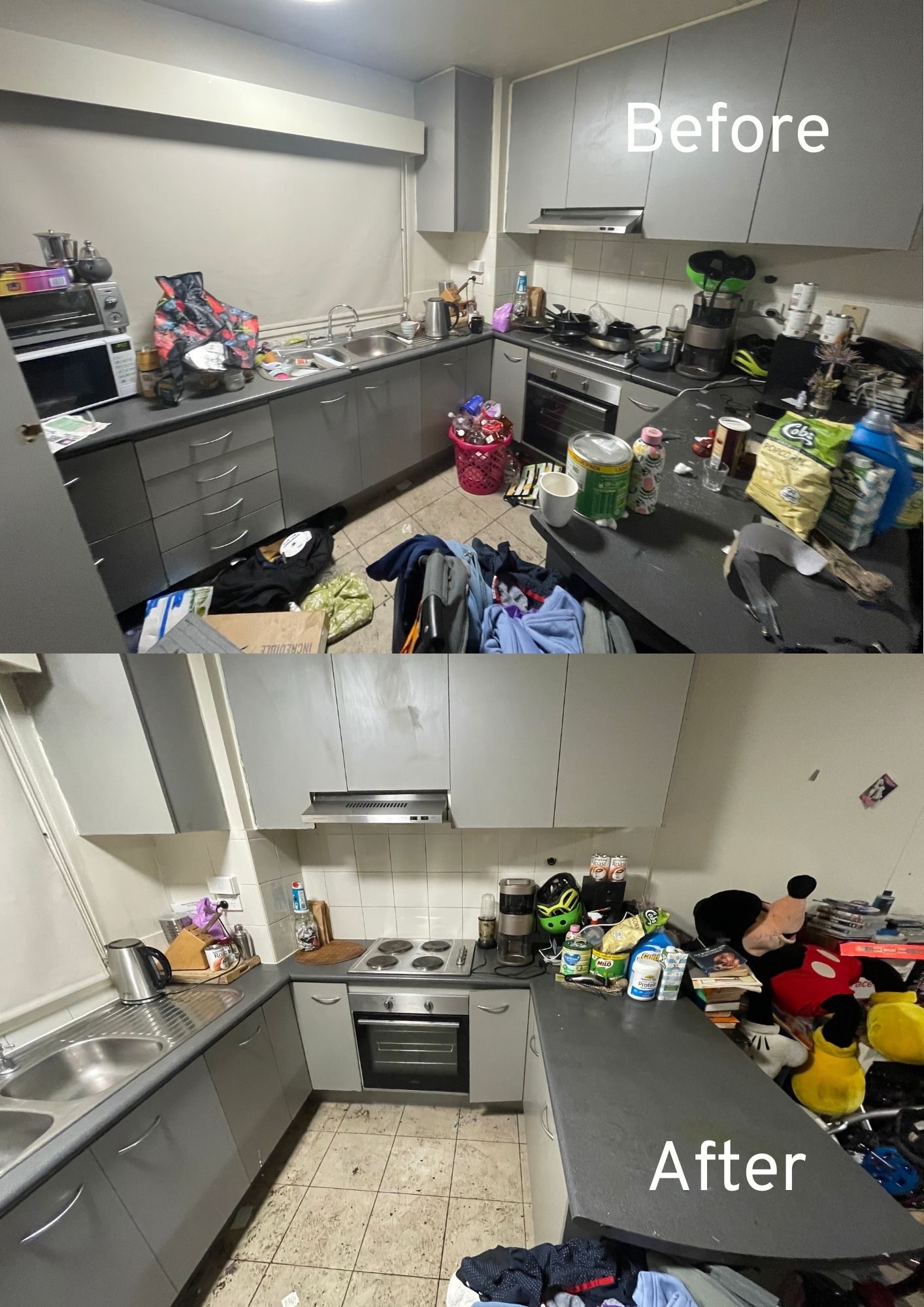
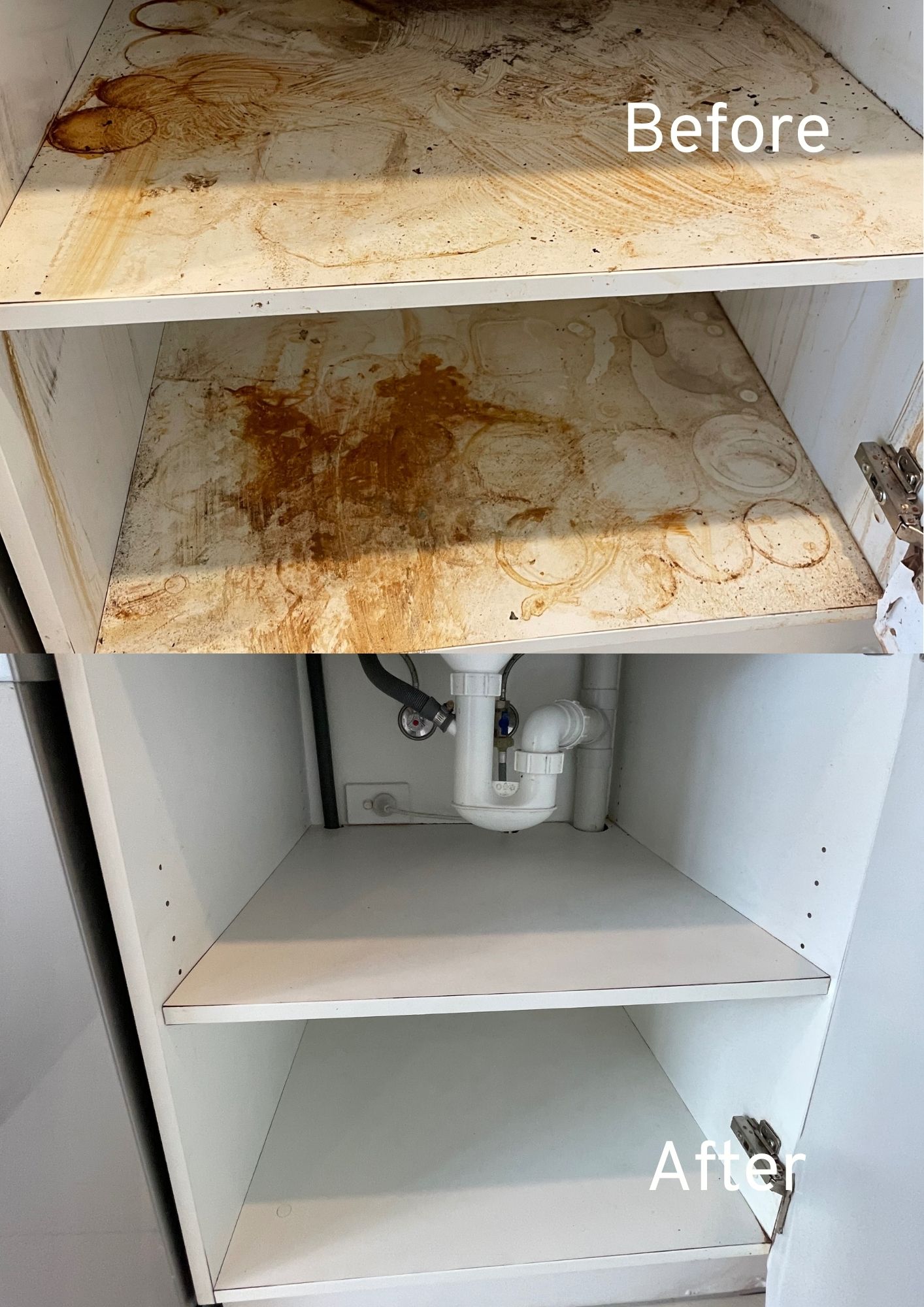
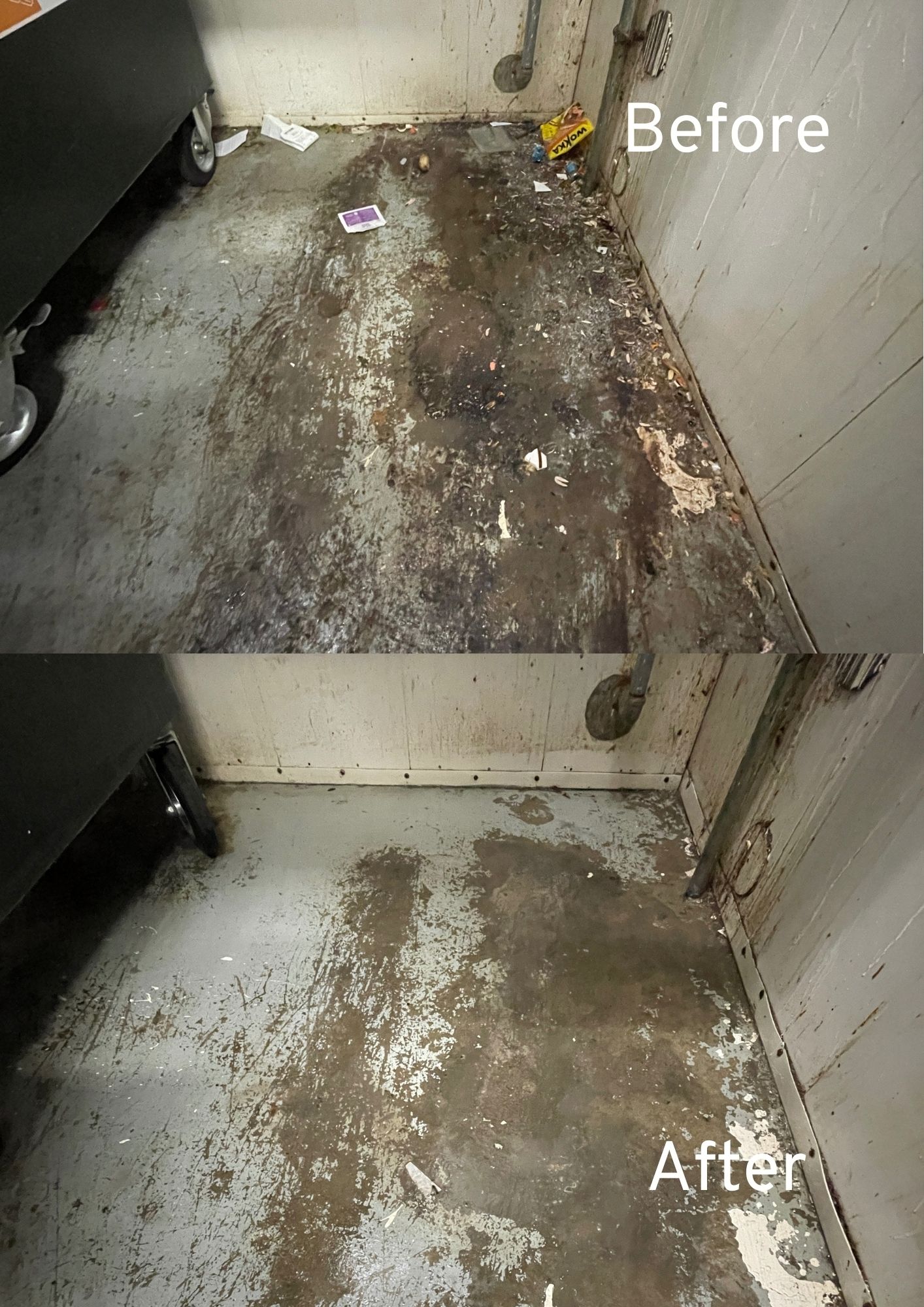

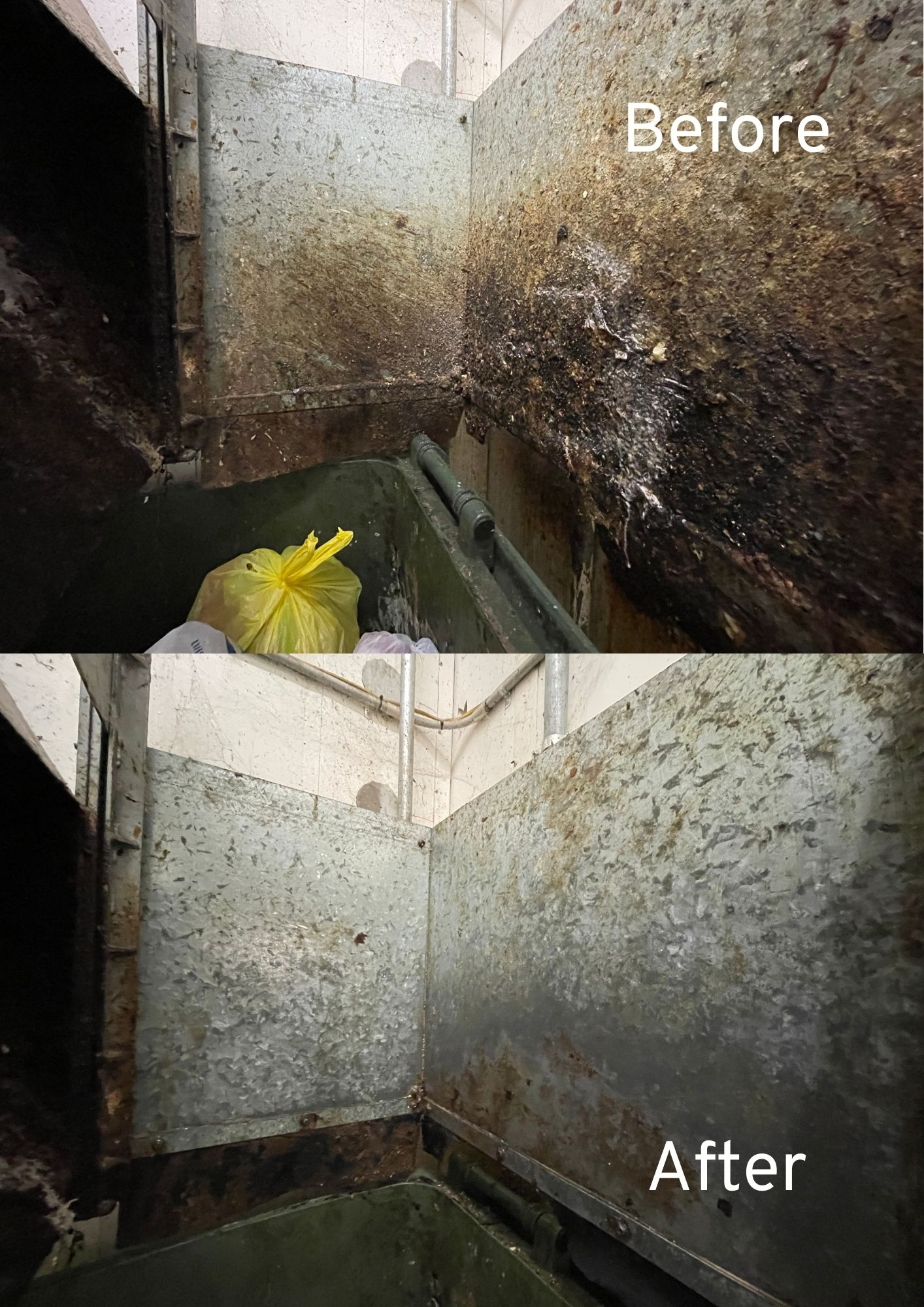



You are probably looking at one of two things
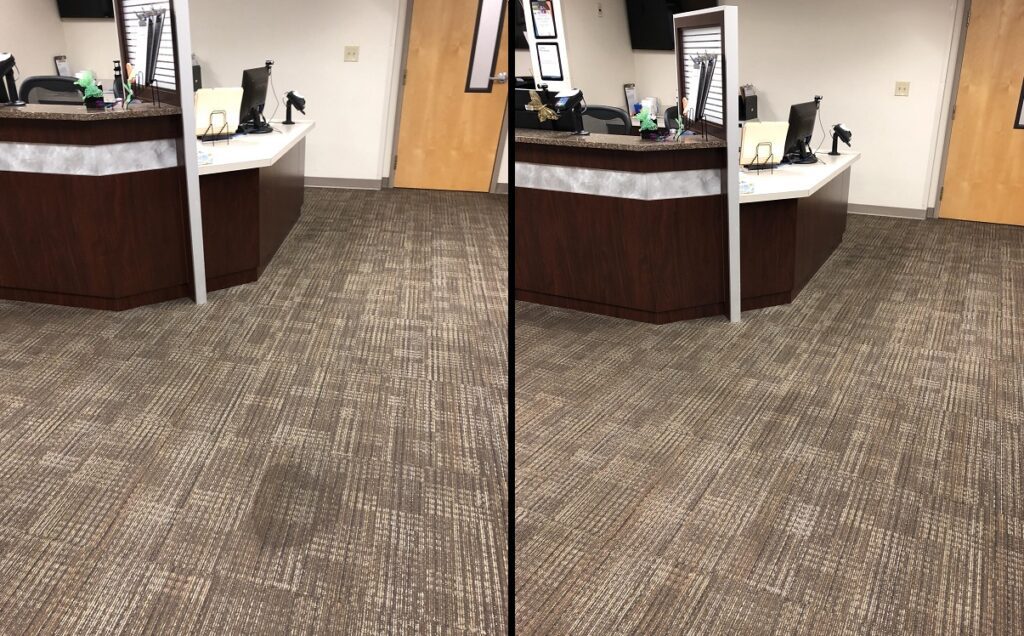
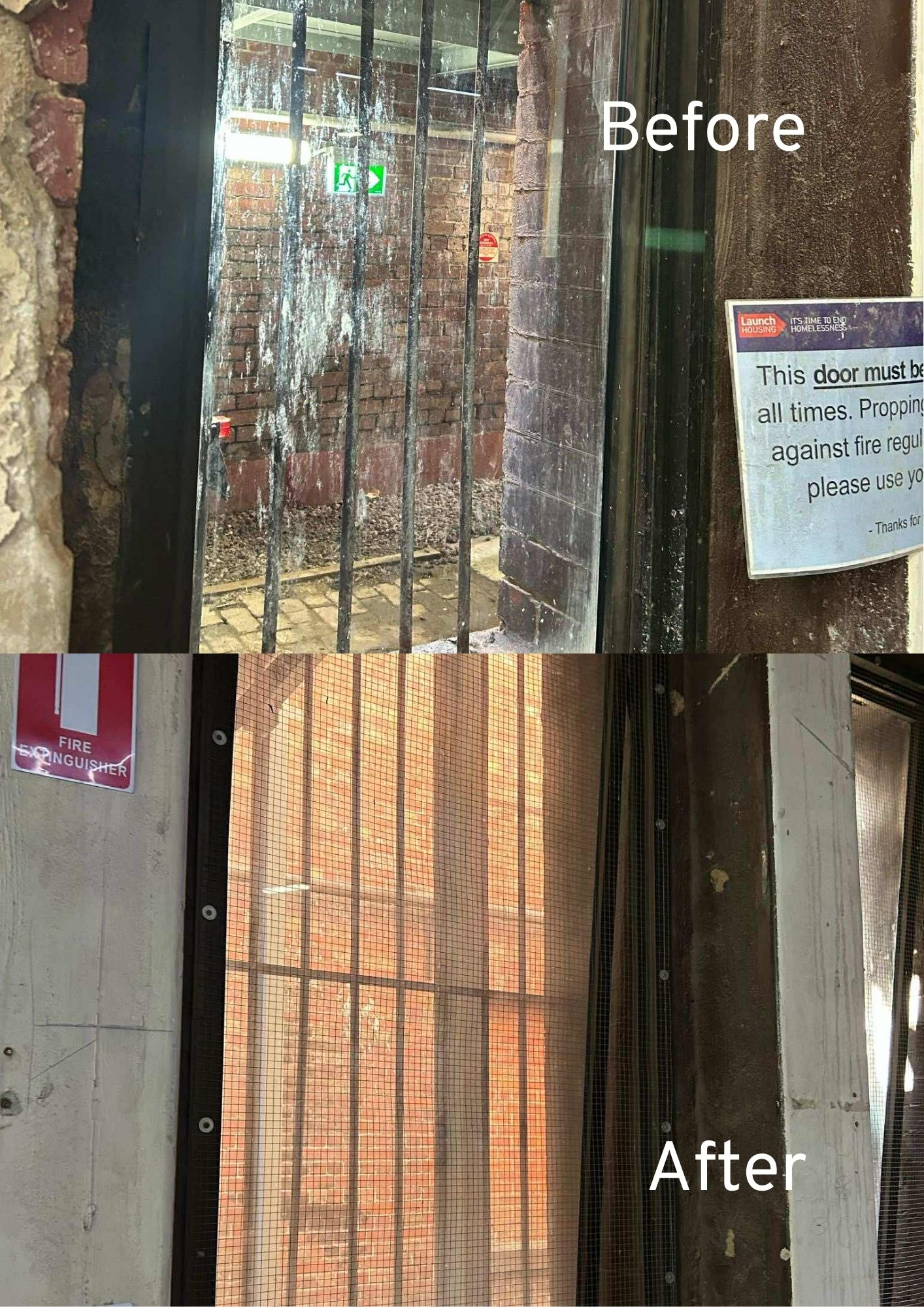
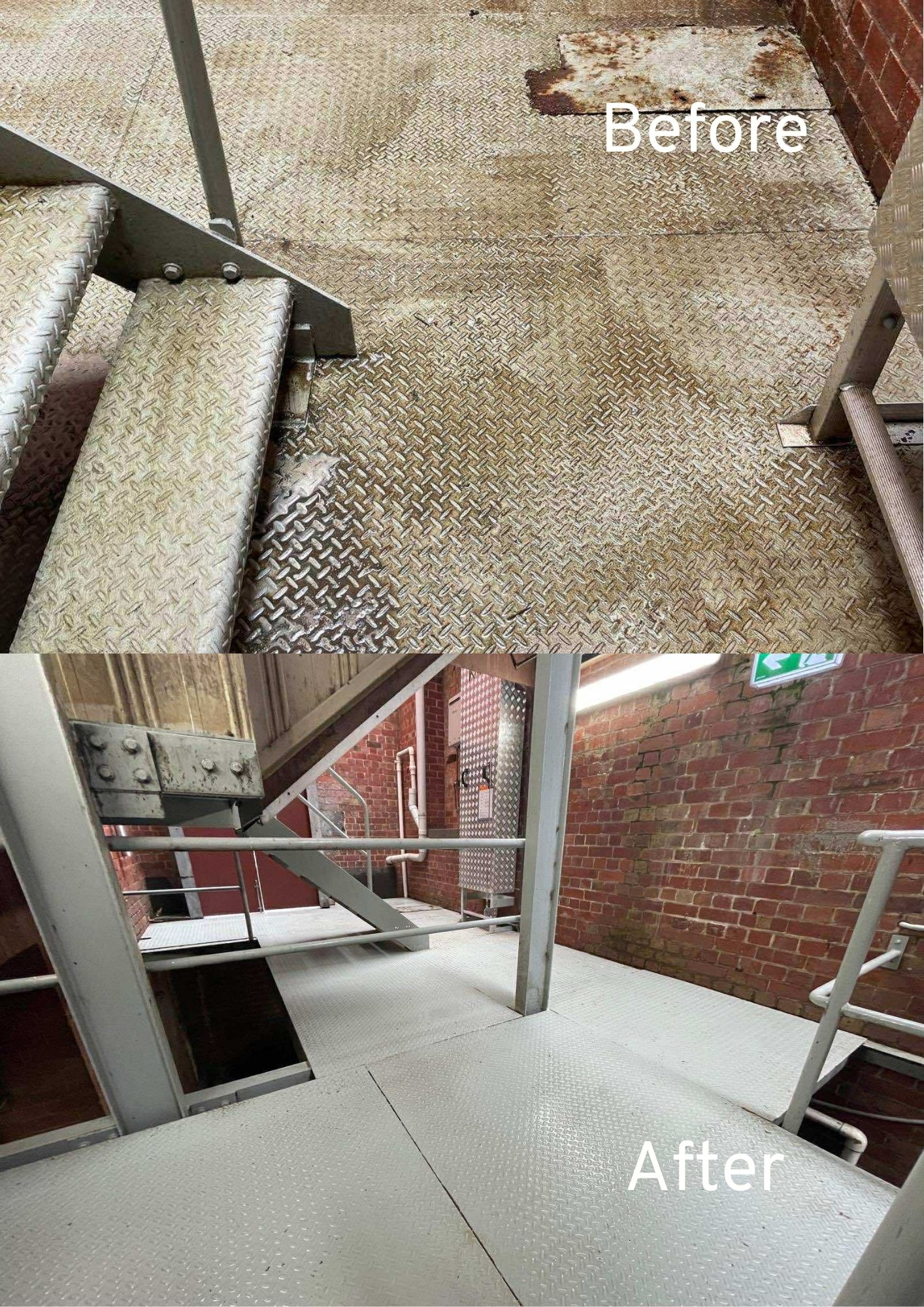
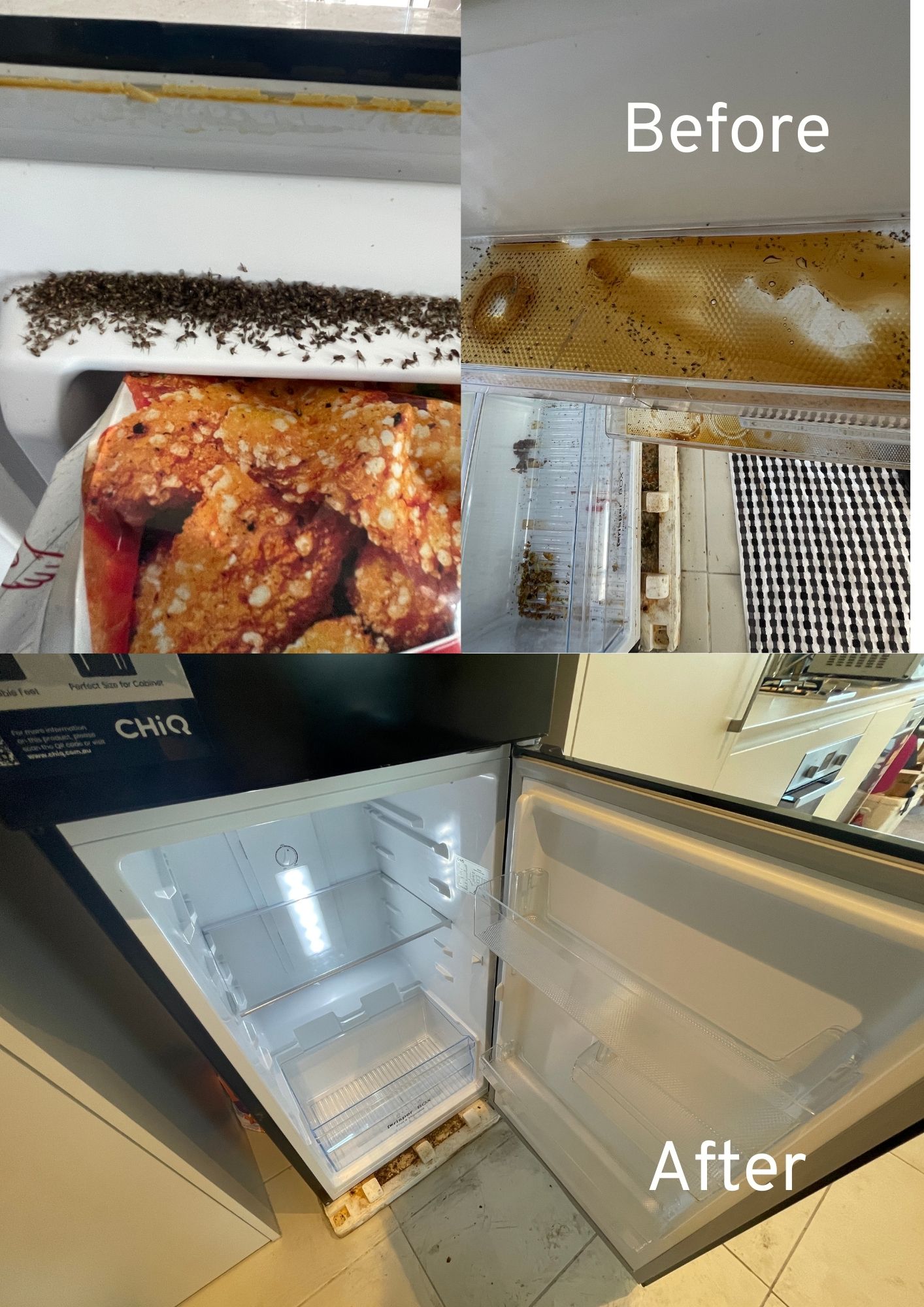
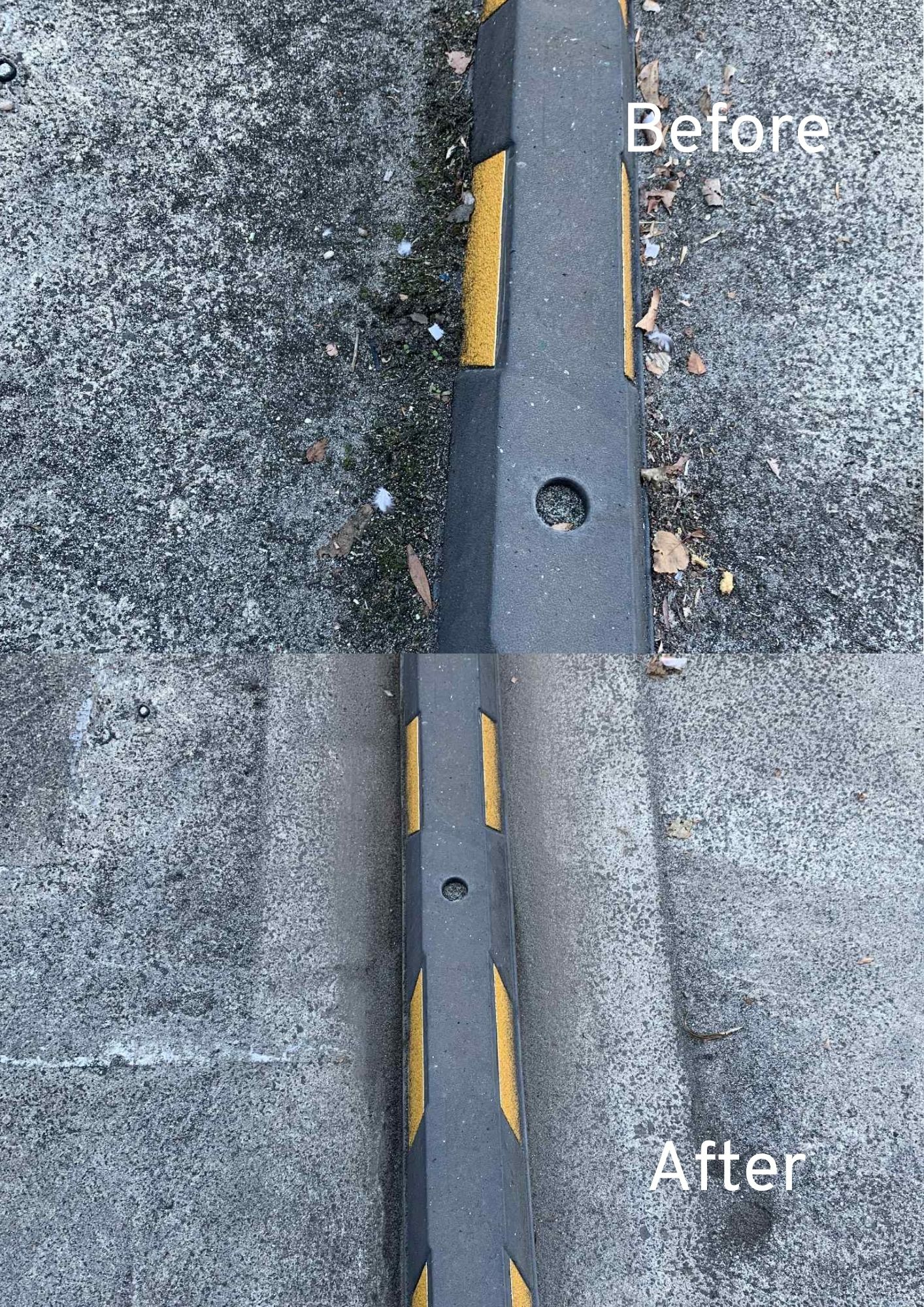
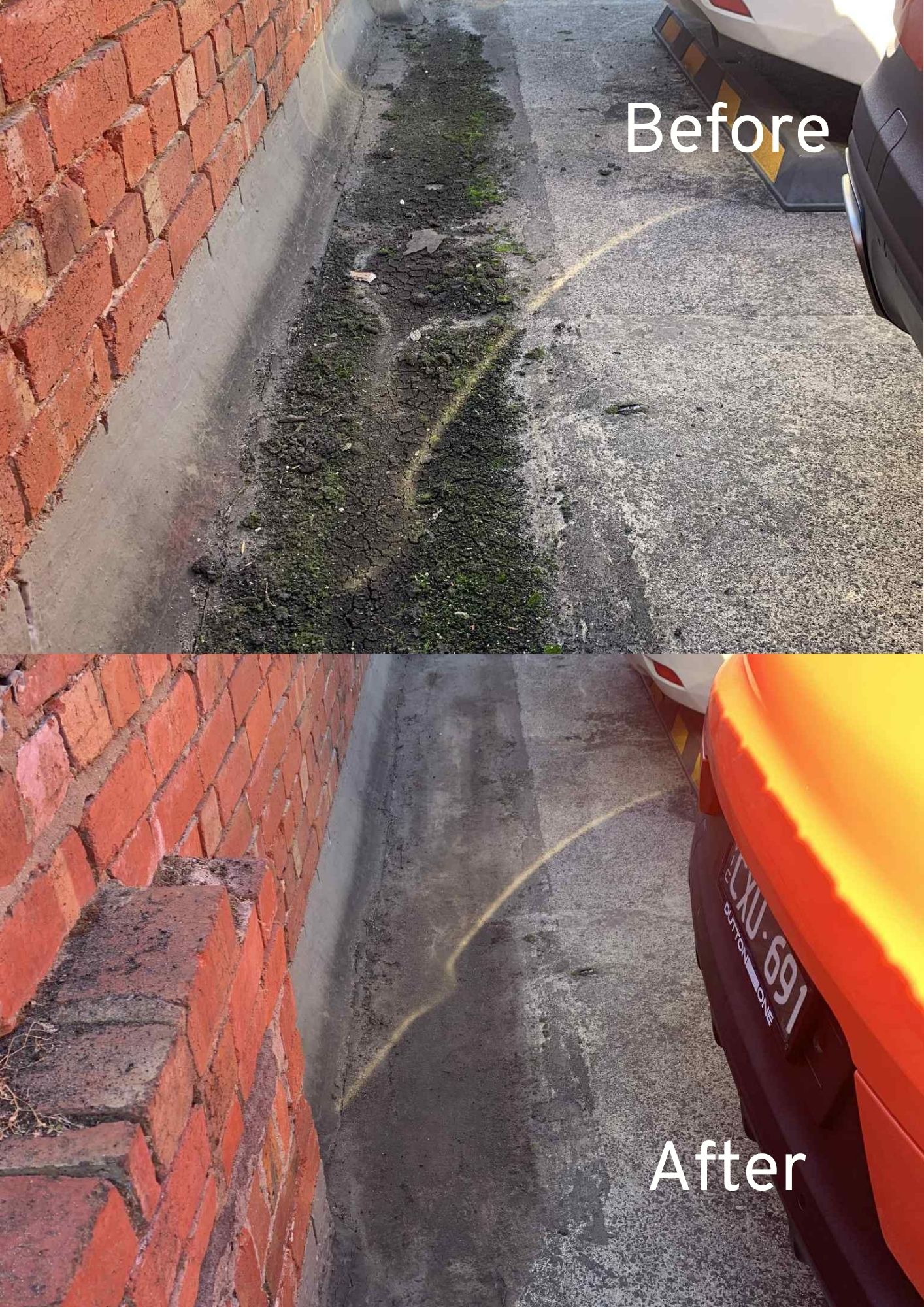
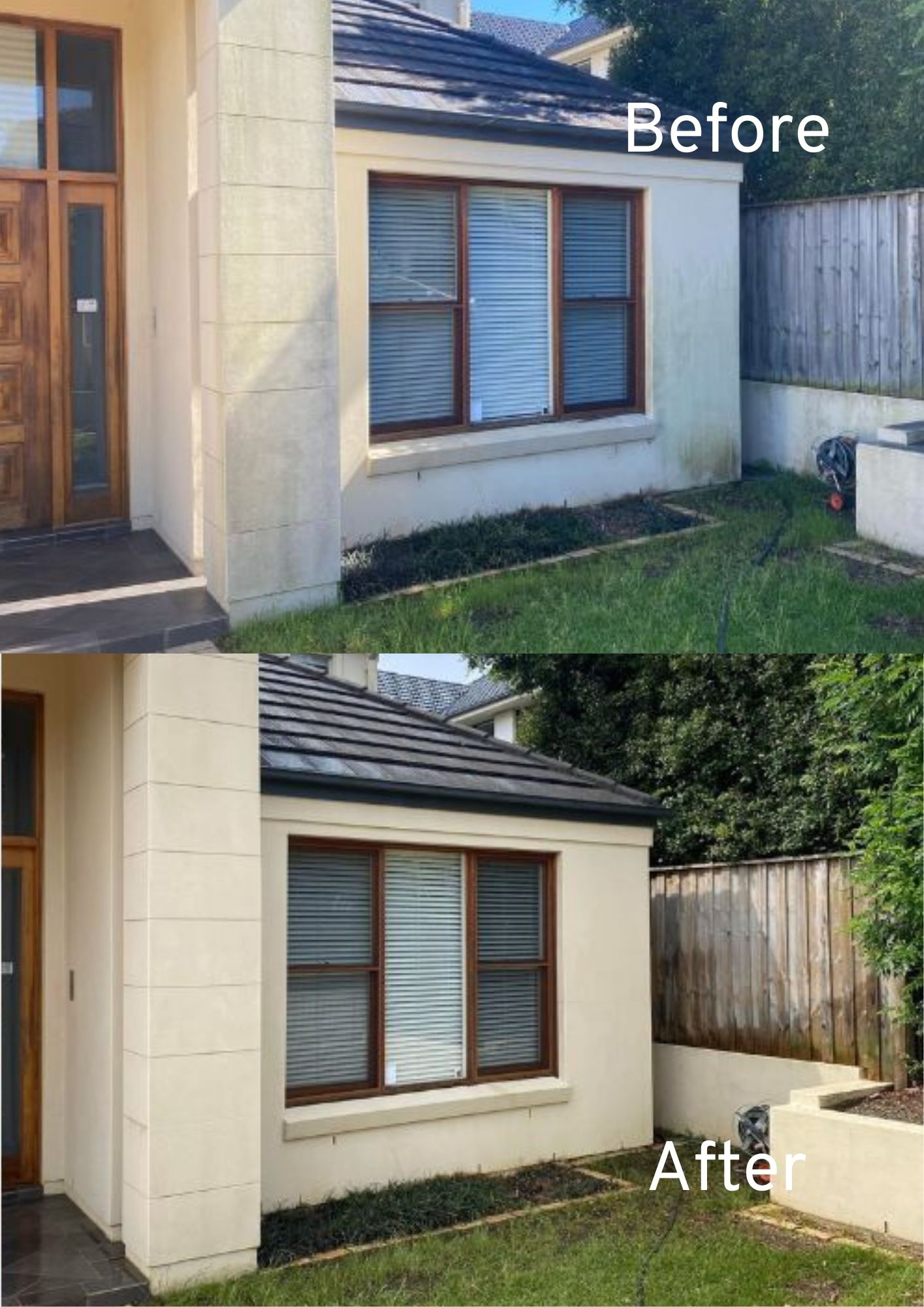
If you have found a patch of growth in a damp corner of your home, there is a good chance it is either mould or mildew, and telling them apart matters because the right response is different for each. The comparison above covers how they look. What follows is what that difference actually means for you.
If it wipes away easily, you are likely fine to handle it yourself
Mildew sits on the surface rather than growing into whatever it is on, which is why a normal bathroom cleaner or a mildew-specific spray, combined with a bit of scrubbing, is usually enough to deal with it. You do not need to call anyone for a light, powdery patch on grout or a windowsill that comes away with a damp cloth. Keep an eye on it, though: mildew that returns every week despite regular cleaning is a sign that the room has a moisture problem worth addressing, even if the mildew itself is not the main concern.
If it keeps coming back through the same paint or wipe, treat it as mould
Growth that returns within days of cleaning, that has any texture or rise to it, or that comes in darker colours such as black, green or blue is behaving like mould, not mildew, and a surface clean will not resolve it. Because mould grows into the material rather than sitting on it, painting or wiping over the visible patch traps the problem rather than removing it, and it will reappear, often larger, within weeks.
When it is worth getting a second opinion
Larger patches, anything in a bedroom or living area, and any growth affecting a household member with asthma, allergies or a weakened immune system are all situations where guessing is not worth the risk. A proper inspection identifies exactly what you are dealing with and how far it has spread, which is the only way to know whether you are looking at a five-minute clean or a job that needs to be done properly.