
What Causes Mould?











Moisture is the trigger, every time
Every mould problem starts the same way: a surface stays wet for too long. Give mould a food source, such as timber, plaster, dust or fabric, and a stretch of dampness lasting more than roughly two days, and it has everything it needs to establish a colony. Take the moisture away and the problem cannot get started in the first place, no matter how much organic material is sitting around waiting to be colonised.
The amount of moisture needed is smaller than most people assume. A load of washing left in the machine overnight, condensation pooling on a window ledge each morning, or a shower run without the fan on are all enough on their own. None of these look like a leak in the way people picture a burst pipe, which is exactly why the cause often goes unnoticed until mould is already visible.
Newer builds trap moisture that older homes released
Counterintuitively, tighter, more energy-efficient construction is part of the problem. Sealed window and door frames, continuous insulation and double glazing all stop warm air escaping in winter, which is good for heating bills, but that same warm, moist air, generated by cooking, showering and simply breathing overnight, now has nowhere to go except onto the coolest surface in the room. Older weatherboard and brick homes leaked air constantly through gaps that modern building standards have deliberately closed off.
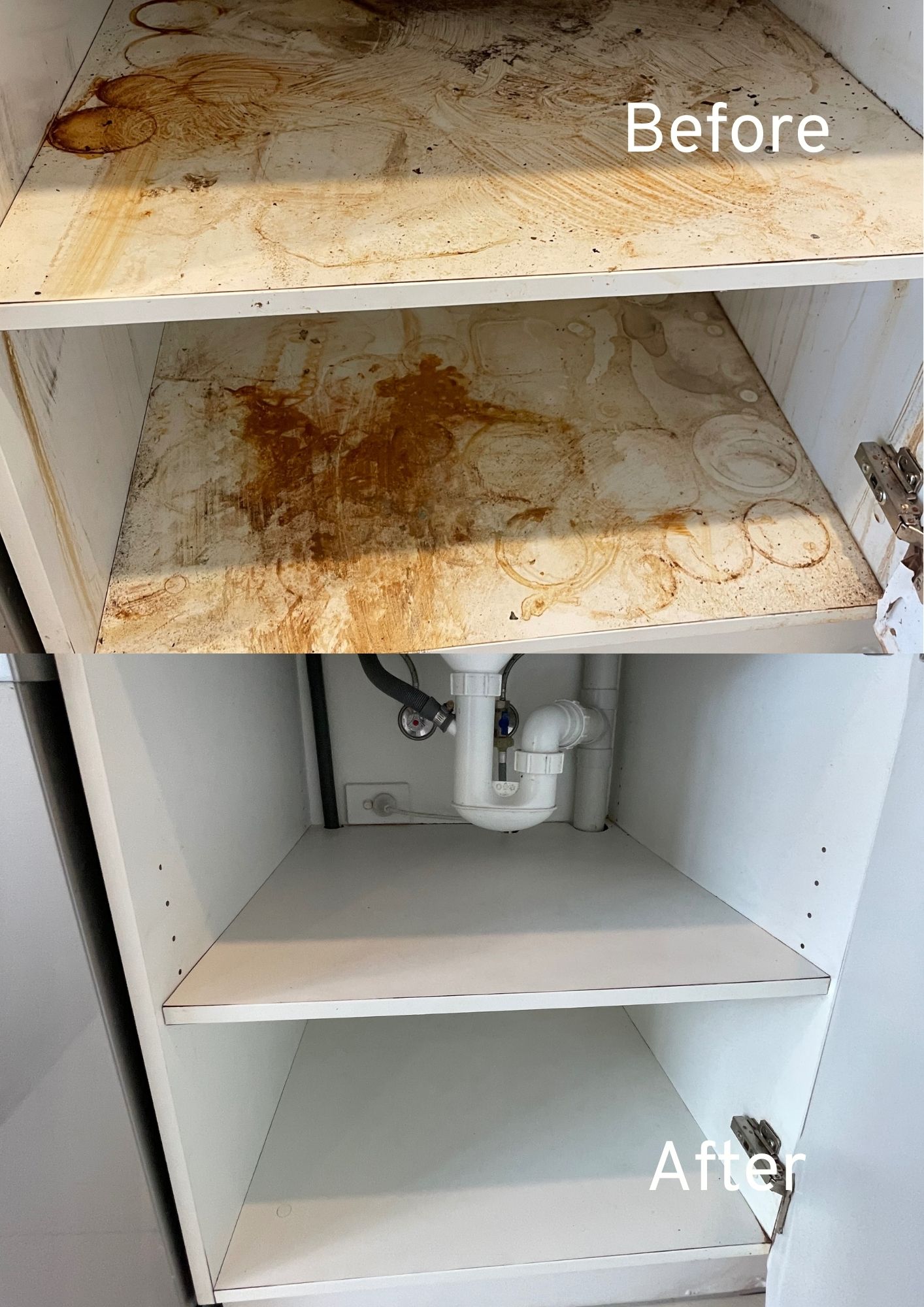
Materials matter too. Particleboard, MDF and plasterboard are cheaper and faster to install than the solid timber and lime plaster used in older Melbourne housing stock, but they also hold moisture longer and break down faster once wet, giving mould a softer, more absorbent surface to establish in.
Where the moisture actually comes from
Condensation accounts for a large share of the jobs we see, particularly through the colder months when homes stay closed up and heated. Warm indoor air meets a cold external wall, window or ceiling, and the moisture in that air turns to liquid on contact, settling in corners, behind furniture pushed against outside walls, and around window frames.
Leaks are the other main source, and they are often slower and harder to spot than condensation. A worn shower seal, a slow join in a supply pipe inside a wall cavity, or rising damp through a floor without a proper damp course can all feed a mould colony for months before anything becomes visible on the surface.
A quick check for your own home
You do not need equipment to spot the early warning signs. Run through these: does the bathroom exhaust fan vent outside, or into the roof cavity? Is there any dark speckling in the corners of window frames, especially in a bedroom that stays closed overnight? Is there any softness in the flooring under sinks and around toilet bases, or a musty smell? Are the gutters and downpipes clear, or overflowing against an external wall during rain? If two or more of these raise a flag, it is worth having the moisture source properly identified before it becomes a bigger job.